Exterior siding replacement: Frequent Cladding Issues and How to Fix Them
Exterior home contractors: Experienced Outside Cladding Specialists Can Enhance The Toughness And Appearance Of Your Home
Kinds Of Siding Materials
When picking the best siding product, siding contractors typically navigate a maze of options, each with its own character and charm. But have you ever questioned why some homes seem to wear their outside like a tailored fit, while others appear like they've obtained a costume? The secret lies in the material.
Wood Siding: Timeless with Character
Wood siding has this classic attraction, reminiscent of comfortable homes and rustic cabins. It breathes warmth and authenticity, but it requires care, just like a treasured book that requires gentle handling. Specialists often advise property owners: "Wood sings a gorgeous song, but just if you keep it well-tuned."
- Types: Cedar, Pine, Redwood
- Pros: Natural insulation, aesthetic adaptability
- Cons: Susceptible to moisture, requires routine upkeep
Vinyl Siding: The Popular Workhorse
Ask any siding specialist about vinyl, and you'll hear about its resilience and ease. It's like the reliable buddy who's always ready to help, rain or shine. Vinyl doesn't demand much attention, yet it offers a large palette of colors and designs. However is convenience worth the sacrifice of that genuine texture?
- Resilience: Resists fading, cracking, and bugs
- Installation: Faster and more cost-efficient
- Ecological effect: Less eco-friendly due to plastic composition
Fiber Cement: The Modern Chameleon
Picture a siding product that mimics wood's charm however laughs off moisture and fire. Fiber cement is that shape-shifter in the siding world, impressing professionals and house owners alike. It's a blend of cement, sand, and cellulose fibers-- crafted to sustain.
| Function | Fiber Cement | Wood | Vinyl |
|---|---|---|---|
| Upkeep | Low | High | Low |
| Resilience | High | Moderate | Moderate |
| Look | Varied textures | Natural grain | Smooth or wood-like |
Metal Siding: Industrial Edge
Metal siding often stands out with its streamlined, modern ambiance. It's the bold statement piece for contemporary homes. Yet, it can be a double-edged sword. While it boasts extraordinary durability, its cold touch and sound throughout rainstorms can surprise the unprepared.
- Materials: Aluminum, Steel, Copper
- Strengths: Fire resistance, low upkeep
- Challenges: Damage susceptibility, thermal conductivity
Which material fits your home's story? Siding professionals advise us that understanding these choices is more than a checklist-- it's about matching personality, climate, and lifestyle. Your home's exterior is the first chapter in the tale you inform the world.
Setup Strategies and Finest Practices
When it pertains to siding installation, the devil really hides in the information. Have you ever saw a home where the siding appears to peel or warp after a single season? That subtle flaw often traces back to bad fastening or neglected wetness barriers. Precision isn't simply a high-end-- it's the foundation of toughness. The question is: how can professionals ensure perfect execution whenever?
Mastering the Art of Attaching
Among the most neglected components in siding work is the option and positioning of fasteners. Screws or nails that are either too tight or too loose can trigger panels to buckle or become loose, specifically with products like vinyl or fiber cement. A pro tip: constantly leave a minor space to enable natural growth and contraction. This tiny breathing space prevents warping and splitting down the line.
- Use corrosion-resistant fasteners to avoid rust discolorations and compromising gradually.
- Set up nails at a minor angle to enhance holding power.
- Never drive fasteners too deep; countersinking ruins the siding's capability to flex.
Moisture Management: The Unnoticeable Guardian
Did you know that incorrect wetness control is the quiet assassin of siding systems? Water intrusion, often invisible at initially, can cause underlying rot and mold. An experienced siding contractor never skips setting up a high-quality weather-resistant barrier beneath the siding. This layer acts like armor, pushing back moisture while enabling vapor to get away.
| Common Wetness Defense Techniques | Why It Matters |
|---|---|
| Home Wrap Setup | Prevents rain seepage and improves energy efficiency |
| Flashing Around Openings | Reroutes water away from windows, doors, and corners |
| Weep Holes in Bottom Trim | Permits trapped wetness to get away, preventing buildup |
Precision Cutting and Positioning
Ever wonder why some siding tasks appear like works of art while others appear haphazard? The secret lies in careful measuring and cutting. Using laser levels instead of conventional tools can save hours and ensure completely straight lines. Remember, siding isn't almost covering walls-- it has to do with enhancing curb appeal with smooth alignment.
- Measure twice, cut as soon as: verify all dimensions before trimming.
- Use sharp blades for tidy edges-- dull tools trigger splintering.
- Keep constant panel spacing to enable thermal motion.
In click here the end, the craftsmanship behind siding setup shows a deep understanding of products and environment. How often do you pause to consider the invisible work beneath those panels? It's a dance in between sturdiness and aesthetic appeals, carried out finest when competence fulfills attention to every minute information.
Repair And Maintenance Tips for Siding
Ever observed how a small fracture in your siding can quickly grow out of control into a full-blown headache? Ignoring that little crack may seem harmless, but water intrusion and insect seepage prowl simply below the surface, waiting to wreak havoc. The secret to maintaining your home's outside depends on watchfulness and prompt intervention.
Finding Difficulty Before It Escalates
Routine evaluations, particularly after harsh weather condition, are non-negotiable. Try to find:
- Loose panels that may flap or shift in the wind.
- Staining, which frequently signifies wetness caught behind the siding.
- Peeling paint or bubbling, a sure sign of underlying damage.
- Contorting or swelling, particularly on wood or fiber cement siding.
One house owner when dismissed a slight bulge, just to discover weeks later on that termites had made themselves rather comfy behind the siding. Moral of the story? Do not let subtle signs fool you.
Proactive Repair Techniques
When it concerns repairs, time is your ally. Delaying the fix often means more invasive-- and expensive-- work later. Here's a detailed approach that siding professionals swear by:
- Clean the area thoroughly to examine the complete scope of damage. Dirt and debris can mask the real level.
- Eliminate damaged areas thoroughly to prevent harming surrounding materials.
- Usage suitable replacement pieces to ensure smooth combination and preserve structural integrity.
- Seal all joints and edges with premium, weather-resistant caulk or sealant.
- Repaint or refinish to bring back defense and curb appeal.
Expert Tips for Durability
:max_bytes(150000):strip_icc()/SPR-types-of-siding-for-the-home-1824718-hero-fb7028906b4f47d986f0bb223baf496f.jpg)
Here are some lesser-known tricks of the trade that can extend the life of your siding:
| Tip | Description |
|---|---|
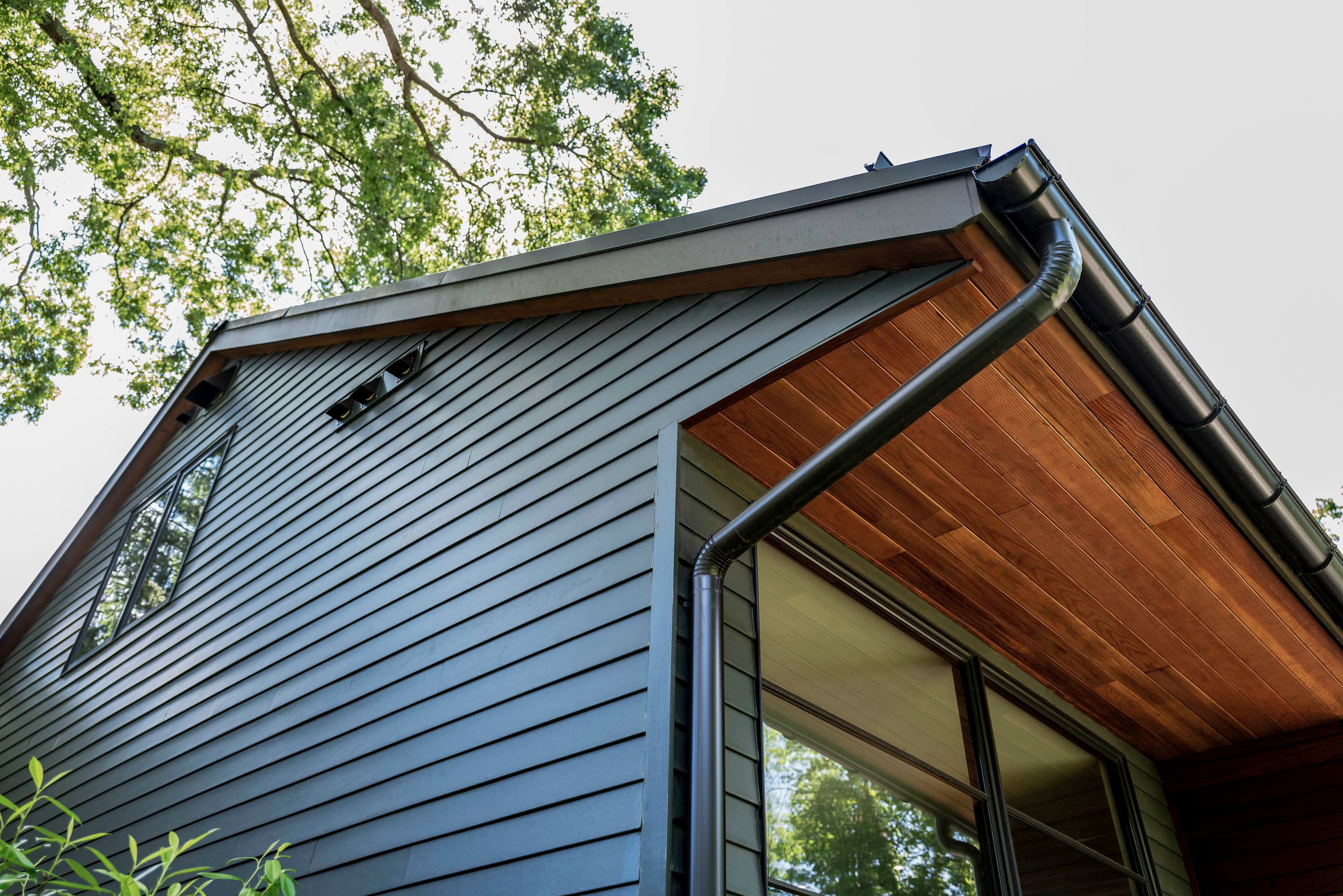
| Maintain appropriate drainage | Ensure seamless gutters and downspouts direct water away to avoid moisture accumulation behind siding. |
| Aerate your attic | Excellent air flow reduces humidity levels that can deteriorate siding products from the inside out. |
| Trim vegetation | Keep shrubs and tree branches at bay. Plants can trap wetness and welcome insects. |
| Use a soft brush for cleaning | Avoid high-pressure cleaning, which can damage siding surface areas and force water into joints. |
When to Call a Professional
Not every imperfection requires a professional, but some signs are apparent:
- Massive warping or sagging that compromises siding alignment.
- Persistent moisture stains that withstand drying.
- Noticeable mold or mildew growth indicating ongoing water invasion.
- Damage impacting insulation or structural parts behind the siding.
Keep in mind, dealing with minor repairs yourself can conserve money, but recognizing when expert intervention is essential safeguards your financial investment. After all, siding does more than gown up your home-- it serves as a fortress against the aspects.
Ecological Effect and Sustainability Considerations
When selecting siding, have you ever paused to think about the environmental footprint Behind? It's more than simply visual appeal or sturdiness-- what lies beneath the surface area typically narrates about resource use and waste. Numerous siding materials feature surprise ecological costs, from the extraction of raw materials to manufacturing emissions and disposal difficulties.
One anecdote from the field sticks out: A property owner chose vinyl siding for its low in advance cost however didn't realize that its non-biodegradable nature would complicate disposal years later on. That shiny exterior masked an ecological gamble, triggering specialists to reconsider recommendations on sustainable alternatives.
Material Choice: Beyond Surface Appeal
Wood siding typically gets praise for its renewability, however not all wood is developed equal. Sourcing from sustainably managed forests can drastically lower environmental stress. Alternatively, composite sidings may incorporate recycled material, however the production procedure might still be energy-intensive. What's the balance?
- Recycled material percentage: The greater, the much better for sustainability metrics.
- Embodied energy: Just how much energy is utilized from raw product extraction through to setup?
- Longevity and maintenance: Materials that last longer decrease waste and replacement frequency.
Setup and Waste Management Tips
Experienced siding contractors typically highlight minimizing waste on-site. Instead of a scattergun method, precise measurements and pre-cutting can save significant material. Ever seen piles of scrap disposed of hastily after installation? That's lost chance-- not just for your wallet, but for the planet.
- Strategy cuts diligently to reduce offcuts.
- Reuse or recycle remaining pieces any place possible.
- Pick fasteners and adhesives with low volatile natural substance (VOC) emissions.
Durability's Double-Edged Sword
Here lies a paradox: durable siding suggests less frequent replacements, which benefits sustainability. However some extremely durable materials require energy-intensive production or contain chemicals damaging to environments. How to pick sensibly? In practice, specialists weigh the whole lifecycle impact rather than just the surface benefits.
| Product | Environmental Benefit | Factor to consider |
|---|---|---|
| Cedar | Eco-friendly, eco-friendly | Needs maintenance, potential for chemical treatments |
| Fiber Cement | Lasting, fire-resistant | High embodied energy, dust concerns throughout cutting |
| Vinyl | Low maintenance | Non-recyclable, harmful when burned |
Eventually, the art of siding installation intertwines with ecological mindfulness. Can your siding be both a protective guard and a quiet guardian of natural resources? With thoughtful choices and professional workmanship, it can.